
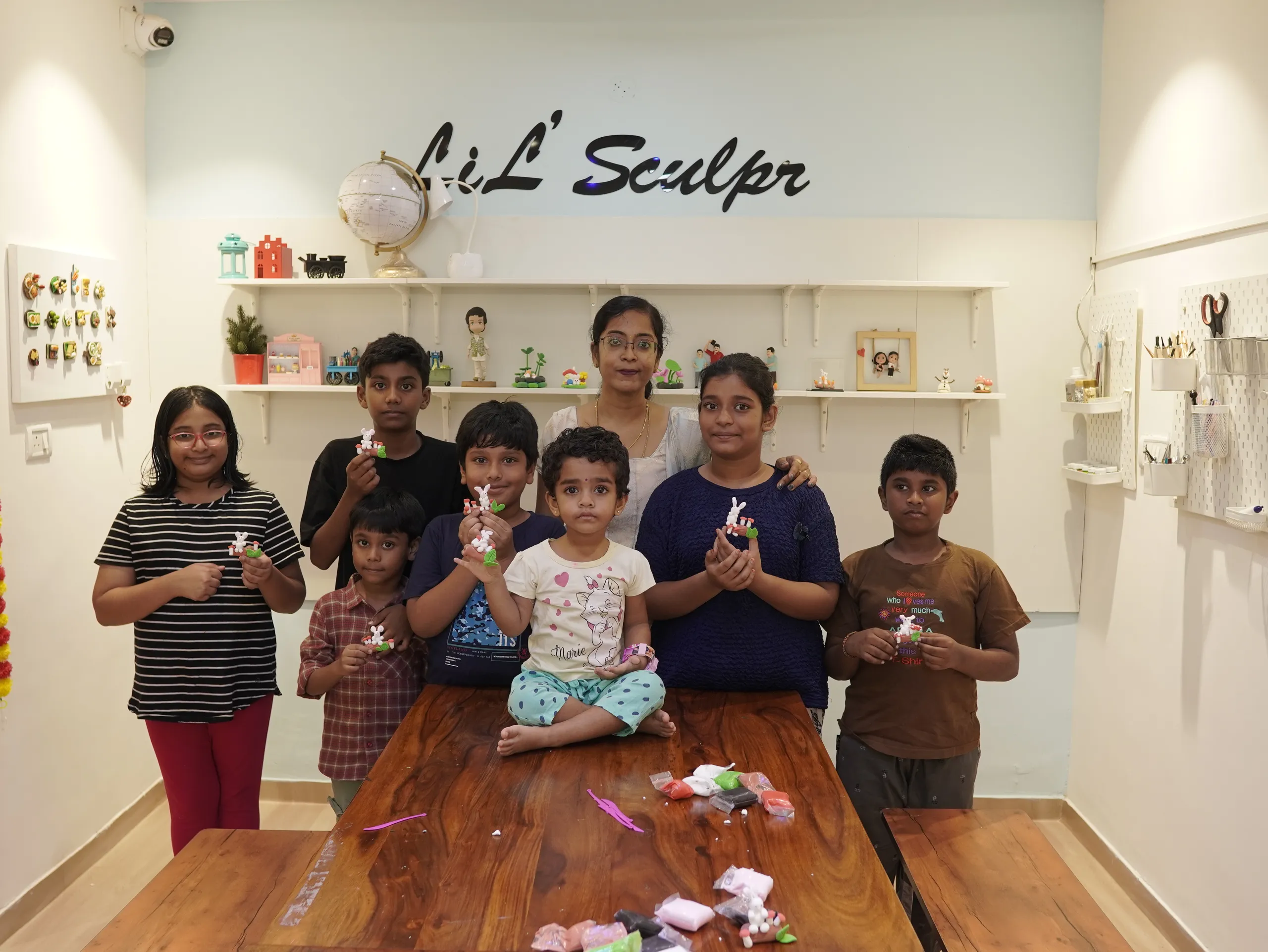
Clay Modelling for Kids: Why It Matters and How It Helps Their Growth
In a world full of screens and structured schedules, giving children an outlet that is creative, hands-on, and enjoyable can make all the difference. Thats where clay modelling for kids comes in a timeless activity that combines fun, learning, and development. In this blog post, we dive into why clay modelling is so important for children, and how parents and educators can encourage this wonderful form of play.
1. Enhances Fine Motor Skills and Hand-Eye Coordination
One of the most important benefits of clay modelling is how it helps children develop fine motor skills. As kids pinch, roll, shape, and mould clay, they refine the coordination between their hands and eyes a critical skill that supports tasks like writing, drawing, using scissors, buttoning clothes, and other everyday activities.
These small, deliberate movements strengthen hand muscles and improve dexterity and control. Over time, children become more confident handling materials, which helps beyond art projects and into schoolwork and daily life.
2. Boosts Creativity, Imagination, and Self-Expression
Clay offers a blank, three-dimensional canvas. When children engage in clay modelling for kids, there are no limits to what they can create from imaginary creatures, mini-pots, sculpted animals, abstract shapes, or even replicas of things they see around them.
This open-ended creative space gives children the opportunity to express their thoughts, emotions, and ideas physically. It nurtures imagination, encourages thinking outside the box, and fosters original thought and design a foundation for creative problem-solving later in life.
Moreover, clay modelling can become a form of emotional expression: children can mould their feelings into shapes, which can be especially helpful for kids who might find it difficult to express themselves verbally.
3. Stimulates Cognitive Growth: Problem-Solving, Spatial Awareness, and Focus
Working with clay is more than just play its a learning exercise for the brain. When kids imagine an object and recreate it from clay, they use spatial awareness, planning, and visualization. They figure out how much clay is needed, how to proportion shapes, and how to attach different parts all of which encourages logical thinking and problem-solving.
Clay modelling also helps children practice patience and persistence. Sculpting a shape takes time and sometimes requires trial and error. When something doesnt work out the first time maybe a limb falls off, or the clay cracks children learn to adjust, re-shape, and try again. That iterative process builds resilience and confidence.
Additionally, because clay play engages multiple senses touch, sight, shape it enhances sensory development and can help children better understand textures, spatial relationships, and object permanence.
4. Improves Attention Span, Concentration, and Emotional Well-being
In a world full of distractions, teaching kids to focus on a task is invaluable. clay modelling for kidsdemands attention, concentration, and mindfulness. As they knead, press, shape, and sculpt, they remain engaged for longer periods building patience and the ability to concentrate on detail.
Moreover, clay can serve as a calming, therapeutic medium. The tactile nature of clay squishy, malleable, responsive can help children channel their emotions, reduce stress, and enjoy a sensory experience that is both grounding and creative. This makes clay modelling a beautiful tool for emotional regulation and self-expression.
5. Encourages Social Skills, Collaboration, and Play-Based Learning
Clay modelling doesnt have to be a solo endeavour. When children sculpt together with siblings, friends, or classmates it becomes a collaborative activity. They share ideas, plan together, work on joint projects, and learn from each other's creativity. This social interaction helps develop communication, cooperation, teamwork, and empathy.
Furthermore, clay play supports play-based learning. Through clay, children can explore shapes, colours, textures, spatial concepts and even basic notions of symmetry, counting, and geometry all while having fun. This bridges the gap between play and learning, making education feel natural, enjoyable, and intuitive.
6. Builds Confidence, Sense of Achievement, and Self-Esteem
There is a unique sense of accomplishment when a child turns a simple lump of clay into a figurine, pot, or sculpture. That feeling of creation, transformation, and success boosts their confidence and self-esteem. It gives them ownership of their creation and pride in their ability to make something tangible and beautiful from nothing.
Over time, these small successes help children believe in their creativity and their ability to learn and grow instilling a growth mindset that values effort, experimentation, and improvement.
Why Clay Modelling Should Be Part of Kids Routine
Given its many benefits from motor development to emotional growth, from creativity to cognitive skill-building clay modelling for kids is more than just an art activity. Its a holistic developmental tool that supports mental, emotional, social, and physical growth.
Especially in early childhood and primary school years, when children are rapidly developing multiple skills, incorporating clay modelling into their routine whether at home or in school can unlock their potential and provide a strong foundation for learning and creativity.
For parents and educators, its a simple, low-cost, and highly effective way to help children grow while letting them enjoy the magic of creation.
Tips for Parents & Educators to Get Started
- Use non-toxic, child-safe clay ensure the material is safe for kids.
- Encourage open-ended play avoid strict rules about what to create. Let kids explore shapes, textures, and forms.
- Supervise younger kids especially toddlers to prevent ingestion of clay and ensure safe play.
- Make it social involve siblings or friends; group clay sessions can boost social skills and collaboration.
- Display their creations show pride in their work; this boosts confidence and encourages more creativity.
Conclusion
In a fast-paced world where children are increasingly engrossed in screens, clay modelling for kids offers a powerful alternative one that nurtures creativity, builds essential life skills, and supports emotional and cognitive growth. By giving children the freedom to shape, mould, and create, were giving them something much more valuable than clay: a medium to express themselves, build confidence, and learn through play.